
"Uganda specialty coffee"
200 article(s) found

How to develop boutique coffee in Uganda? introduction to the three major boutique coffee producing areas in Uganda
Not long ago, Ugandan specialty coffee was almost unheard of. This East African country is mainly famous for its Robusta crops. But times are changing: Arabica coffee production has boomed over the past decade, and Uganda has begun to become famous among the third wave of roasters and coffee lovers. What's so special about Ugandan coffee? Uganda is an excellent place to grow coffee. In the past

Description of the Flavor of Ugandan Coffee introduction to the varieties treated in the manor area
Uganda coffee flavor description manor area treatment varieties Uganda's coffee production is among the highest in Africa, accounting for more than 70% of its total exports, while Uganda is also the hometown and main producing area of Robes specialty coffee. In the 1960s, Ugandan coffee production remained at 3.5 million bags a year. By the mid-1980s, coffee production had dropped to an annual rate, mainly for political reasons.

Description of flavor of Starbucks Ugandan coffee beans introduction of varieties produced by grinding scale
Starbucks Uganda coffee bean flavor description grinding scale production area variety introduction Uganda coffee production is among the highest in Africa, accounting for more than 70% of its total exports, while Uganda is also the hometown and main producing area of Robbins specialty coffee. In the 1960s, Ugandan coffee production remained at 3.5 million bags a year. By the mid-1980s, mainly for political reasons, coffee production

Introduction to the production area of Fine Ugandan Coffee roasted degree treatment method and Flavor description
Uganda's coffee production ranks first in Africa, accounting for more than 70% of its total exports. Uganda is also the hometown and main producing area of Robes specialty coffee. In the 1960s, Ugandan coffee production remained at 3.5 million bags a year. By the mid-1980s, coffee production had dropped to 2.5 million bags a year, mainly for political reasons. But now coffee production is on the rise again, which is large at present.

Introduction to the characteristics of the treatment methods of grinding degree for describing the flavor of Ugandan coffee
Uganda's coffee production ranks first in Africa, accounting for more than 70% of its total exports. Uganda is also the hometown and main producing area of Robes specialty coffee. In the 1960s, Ugandan coffee production remained at 3.5 million bags a year. By the mid-1980s, coffee production had dropped to 2.5 million bags a year, mainly for political reasons. But now coffee production is on the rise again, which is large at present.

Uganda Coffee Natural conditions of coffee cultivation in Uganda
For more information on coffee beans, please follow the Coffee Workshop (official Wechat account cafe_style). In Uganda, small farmers interplant their coffee trees with traditional food crops, often using banana trees and other shade. In this self-sufficient condition, coffee grows naturally and blossoms twice a year on average. END

How about Ugandan coffee? Uganda coffee flavor Uganda coffee hand brewing parameters
Professional coffee knowledge exchange more coffee bean information please follow coffee workshop (Wechat official account cafe_style) Uganda is a country with dense green forests, lakes, wetlands and rivers rich in water resources, coffee is the largest crop in Uganda to earn the most foreign exchange, there are about 500000 coffee farms engaged in coffee-related agriculture accounting for 25% of the total population, coffee trees are large
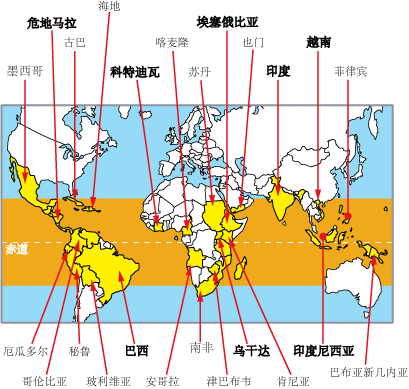
Characteristics of Arabica beans Coffee beans Uganda
In Uganda (Uganda), Arabica coffee beans account for only 10 per cent of the country's total coffee production, but it is enough to attract attention. The best coffee in Uganda is mainly produced in the mountains of Elgon and Bugisu along the Kenyan border in the north and Ruwensori in the west. Coffee is served in January or February of each year.

Characteristics of coffee in Uganda Coffee planting conditions in Uganda Coffee growing areas
For more information on coffee beans, please follow the coffee workshop (official Wechat account cafe_style) Coffee growing in Uganda is located in the eastern part of the country, straddling the border between Uganda and Kenya. Judging from its huge base, Mount Elgon was once considered to be the highest mountain in Africa. The aroma of coffee extends from the cliff and is covered with natural ditches and forests from the soil.

The flavor and taste of Ugandan coffee beans the characteristics of the manor producing area of Ugandan coffee
Uganda's coffee production ranks first in Africa, accounting for more than 70% of its total exports. Uganda is also the hometown and main producing area of Robes specialty coffee. In the 1960s, Ugandan coffee production remained at 3.5 million bags a year. By the mid-1980s, coffee production had dropped to 2.5 million bags a year, mainly for political reasons. But now coffee production is on the rise again, which is large at present.

What are the characteristics of Arabica coffee beans Uganda coffee beans taste Uganda coffee beans
Professional coffee knowledge exchange More coffee bean information Please pay attention to coffee workshop (Weixin Official Accounts cafe_style) Front Street Uganda Coffee Introduction Uganda is a landlocked country in Africa without sea, spanning the equator, bordering Kenya in the east, Tanzania and Rwanda in the south, Congo (Kinshasa) in the west, South Sudan in the north, most of Uganda is located in the East African plateau, with many lakes, with an average altitude of 1000~1
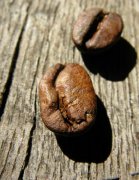
Uganda Coffee Introduction-Keri Fine Coffee Beans
The Republic of Uganda, located in eastern Africa, is a landlocked country straddling the equator. Uganda borders Sudan to the north, Kenya to the east, Lake Victoria to the southwest, Tanzania and Rwanda to the south, and Congo to the west. The territory is located between the east and west branches of the Great Rift Valley in East Africa. It slopes gently from west to middle and is low and flat in the south. Margarita Peak is 5 109 meters above sea level, which is the highest in China.

Introduction to Ugandan Coffee-Kerry
The Republic of Uganda, located in eastern Africa, is a landlocked country across the equator. Uganda is bordered by Sudan to the north, Kenya to the east, Lake Victoria to the southwest, Tanzania and Rwanda to the south, and Congo to the west. The territory is located between the east and west branches of the East African Rift Valley, tilting gently from west to middle and low and flat in the south. Margarita Peak is 5109 meters above sea level, which is the highest in the country.
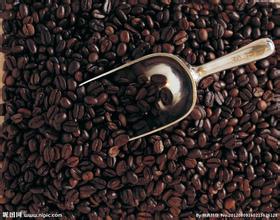
Uganda Coffee Bean flavor brand video explains grinding method
Ugandan coffee bean flavor brand video explains the grinding method Mbale on the east side of the Elgang Mountains and other producing areas near the border of the Democratic Republic of the Congo on the west side, with the export name Wugar. The official ranks are Oaganic (Organic), Bugisu AA, Bugisu A, Bugisu B, Bugisu PB, Wugar, Drugar and other unlisted grades. To find good performance.

Ugandan Coffee introduces Kerry
The Republic of Uganda, located in eastern Africa, is a landlocked country across the equator. Uganda is bordered by Sudan to the north, Kenya to the east, Lake Victoria to the southwest, Tanzania and Rwanda to the south, and Congo to the west. The territory is located between the east and west branches of the East African Rift Valley, tilting gently from west to middle and low and flat in the south. Margarita Peak is 5109 meters above sea level, which is the highest in the country.
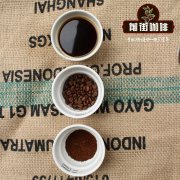
Introduction of Ugandan coffee flavor Uganda coffee beans
Professional Coffee knowledge Exchange more information on coffee beans Please pay attention to the coffee workshop (Wechat official account cafe_style) Coffee plays a leading role in the lives of Ugandan people and has made a significant contribution to the country's economy. Nearly 42 per cent of farmers (1.7 million households, or 21 per cent of the population) grow coffee, which has contributed an average of 30 per cent of the country's foreign exchange earnings over the past 20 years. Uganda

Uganda AA Water washing Hippie Falls Coffee Project
Professional coffee knowledge exchange more coffee bean information please follow the coffee workshop (Wechat official account cafe_style) Uganda AA washed hippie Falls Coffee Variety: SL14 SL28 Riuriu11 altitude: 1200-1900m treatment: washing 15 eyes or more Certification: organic certification Rainforest Alliance Agriculture and Food Department Organic Certificate: 104-3216-00008 hippie Falls originated from
Coffee beans, Ugandan Coffee, Cry.
The Republic of Uganda, located in eastern Africa, is a landlocked country across the equator. Uganda is bordered by Sudan to the north, Kenya to the east, Lake Victoria to the southwest, Tanzania and Rwanda to the south, and Congo to the west. The territory is located between the east and west branches of the East African Rift Valley, tilting gently from west to middle and low and flat in the south. Margarita Peak is 5109 meters above sea level, which is the highest in the country.
Introduction to Ugandan Coffee-Kerry
The Republic of Uganda, located in eastern Africa, is a landlocked country across the equator. Uganda is bordered by Sudan to the north, Kenya to the east, Lake Victoria to the southwest, Tanzania and Rwanda to the south, and Congo to the west. The territory is located between the east and west branches of the East African Rift Valley, tilting gently from west to middle and low and flat in the south. Margarita Peak is 5109 meters above sea level, which is the highest in the country.

What are the flavor and taste characteristics of Ugandan coffee beans? grinding water temperature parameters of Ugandan coffee beans
Professional coffee knowledge exchange more coffee bean information please follow the coffee workshop (Wechat official account cafe_style) front street coffee-Uganda coffee taste features Uganda is located in the source of the Nile, has the same long history as other East African countries in coffee production, but due to ethnicity